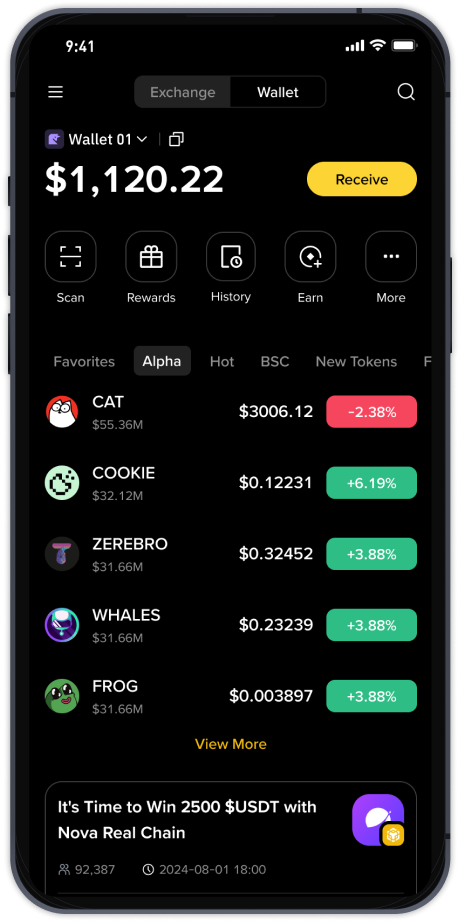
Binance Tutorial 2025: A Comprehensive Guide for Beginners & Advanced Traders
When searching for "Binance tutorial," users are often looking for clear, step-by-step guidance on how to navigate the world's largest cryptocurrency exchange. The quality of available Binance tutorials varies significantly, but the best ones focus on three core areas: account security, basic trading functions, and advanced features like staking or futures.
First, a reliable Binance tutorial must cover account setup and security. This includes enabling Two-Factor Authentication (2FA), setting up anti-phishing codes, and understanding the difference between a Spot wallet and a Funding wallet. Without these steps, even the most detailed trading guide is incomplete. The best tutorials also explain how to use the Binance app versus the web platform, as the interface differs slightly.
Second, a high-quality Binance tutorial should demystify the order types. Beginners often get confused between limit orders, market orders, and stop-limit orders. A good tutorial uses real-world examples—like "If Bitcoin drops to $60,000, automatically buy" versus "Buy immediately at the current price." The tutorial should also clarify the fee structure, noting that using BNB (Binance Coin) to pay fees offers a 25% discount.
Third, for more experienced users, advanced tutorials on Binance Futures and Margin trading are essential. These should include explanations of leverage (e.g., 5x, 10x, 20x), the liquidation price, and the importance of the "Isolated" versus "Cross" margin mode. Without this knowledge, traders risk losing their entire collateral. The best tutorials also cover risk management tools like Take Profit and Stop Loss orders.
Beyond trading, the most complete Binance tutorials now include sections on passive income. This covers "Launchpool" (earning new tokens by staking BNB or stablecoins), "Simple Earn" (flexible or locked savings), and "Auto-Invest" (dollar-cost averaging into crypto). These features are often overlooked by users who only focus on trading.
Finally, the best Binance tutorials address common pitfalls. This includes explaining why a deposit might be delayed (network congestion), how to read the "Transaction History" section to verify a failed trade, and how to use the "P2P" marketplace to buy crypto directly from other users without bank restrictions. A tutorial that fails to mention the risk of high network fees during peak times (like Ethereum gas wars) is incomplete.
In summary, a 5-star Binance tutorial is not just a list of screenshots. It explains the "why" behind each step, warns about common mistakes, and covers both the basic and advanced tools. Whether you are a new user trying to make your first USDT purchase or a pro using algorithmic trading bots, the best tutorials adapt to your skill level while emphasizing security and fee savings. Avoid any tutorial that promises "guaranteed profits" or "risk-free trades"—these are red flags. Instead, look for tutorials that teach you how to use the tools, and then let you make your own informed decisions.