How to Use a Binance Acquired Exchange: A Step-by-Step Guide for Beginners
Binance, the world’s largest cryptocurrency exchange by trading volume, has expanded its global footprint by acquiring several regional and specialized exchanges. Examples include WazirX (India), CoinMarketCap (data aggregator), and less directly, platforms like Tokocrypto (Indonesia). If you have an account on a platform that has been acquired by Binance, or you are considering joining one, understanding how to navigate it is essential. While each acquired exchange retains its own local identity, they often share core features with Binance’s own interface due to backend integration and liquidity sharing.
First, if you already have a Binance account, check whether the acquired exchange supports cross-login or API key linking. For instance, WazirX allows users to transfer funds directly between Binance and the WazirX wallet without transaction fees using a linked account. To enable this, log into your Binance account, navigate to the “Wallet” section, find the WazirX transfer option, authorize the linking, and you can move assets instantly. This feature is a major advantage for arbitrage traders who want to take advantage of price differences between Binance and the local exchange.
Second, if you are a new user on an acquired platform, the registration process usually mirrors standard Binance verification. You will need to provide an email address, set a strong password, and complete Know Your Customer (KYC) verification using a government ID. Some acquired exchanges require less documentation than Binance’s global platform due to local regulatory differences. Always verify the specific requirements on the exchange’s official website or mobile app.
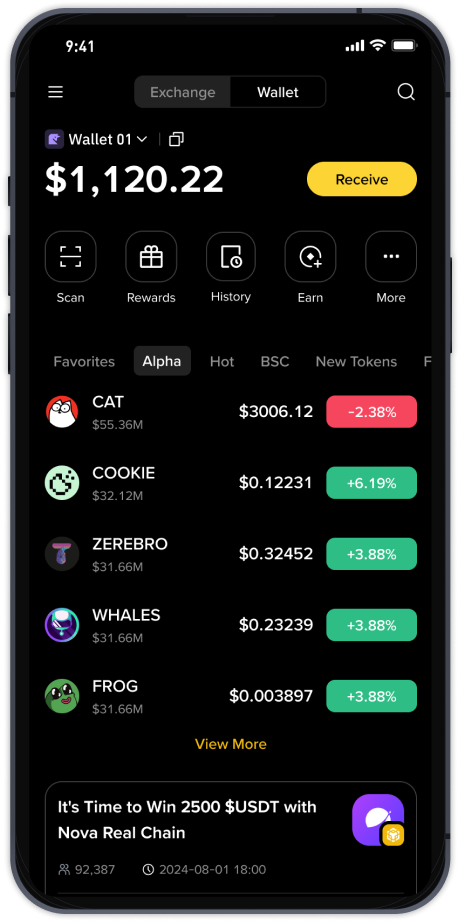
Third, familiarize yourself with the order types. Most Binance-acquired exchanges support basic limit orders, market orders, and stop-limit orders. If you are a spot trader, the trading dashboard will look similar to Binance’s standard layout: a price chart on the left, order book in the middle, and your trading pair selection at the top. For example, on Tokocrypto, you can trade IDR pairs like BTC/IDR or ETH/IDR, and the transaction fees are often lower than non-Binance affiliated local exchanges.
Fourth, security features are usually consistent. Enable two-factor authentication (2FA) via Google Authenticator or SMS immediately after your first login. On Binance-acquired exchanges, you might also find withdrawal whitelisting, which allows you to lock withdrawal addresses that cannot be changed without a 24-hour security delay. This is critical because even though the exchange is under Binance’s security umbrella, your local assets are still vulnerable to SIM-swap attacks if you leave 2FA disabled.
Fifth, for depositing and withdrawing fiat currency, many acquired exchanges focus on local payment methods. For example, WazirX supports Indian bank transfers (IMPS/NEFT) and UPI, while Tokocrypto supports Indonesian bank transfers. Binance’s global P2P feature may also be integrated into these platforms, allowing you to buy or sell crypto directly to other users using local banks. Always check the withdrawal minimums and fees for each fiat method; they are often much lower than international bank wires.
Finally, be aware of the risks. Although Binance provides liquidity and technology, the acquired exchange’s operations are still governed by local laws. If a country’s central bank restricts or bans crypto trading, the acquired platform may suspend withdrawals or limit services. Always monitor the official announcements of both the acquired exchange and Binance’s global news channels. For active trading, keep only what you need on the exchange and store the majority of your assets in a non-custodial wallet to minimize counterparty risk.
In summary, using a Binance-acquired exchange is straightforward once you understand the linking mechanism, local KYC steps, and trading interface. The main benefits are zero-fee transfers to Binance, local fiat on-ramps, and a familiar interface. Whether you are in India, Indonesia, or another region with a Binance partner, start small, test the linking feature, and gradually increase your trading volume as you gain confidence in the platform’s stability and liquidity. For the most current fees and asset support, always refer to the specific exchange’s official website and fee schedule.